
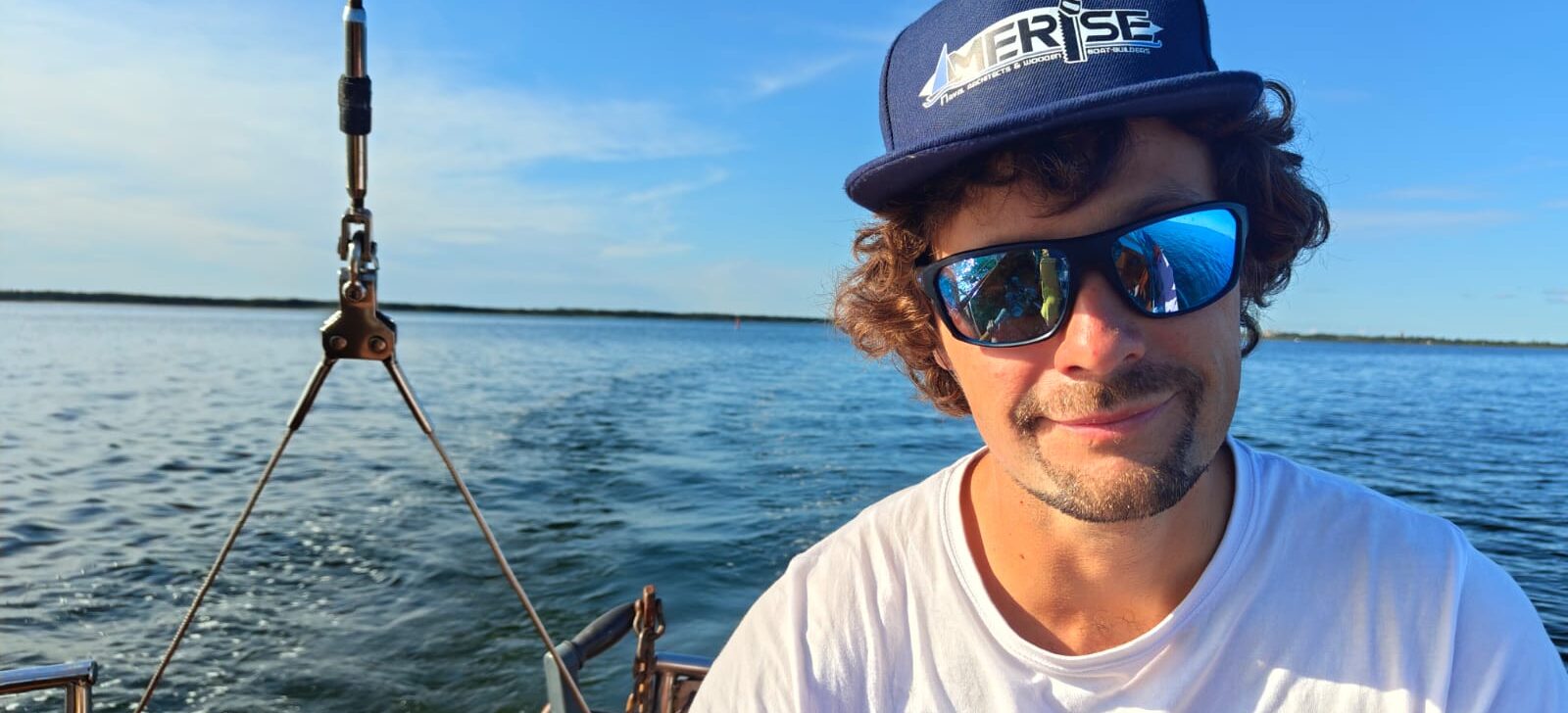
The Founder
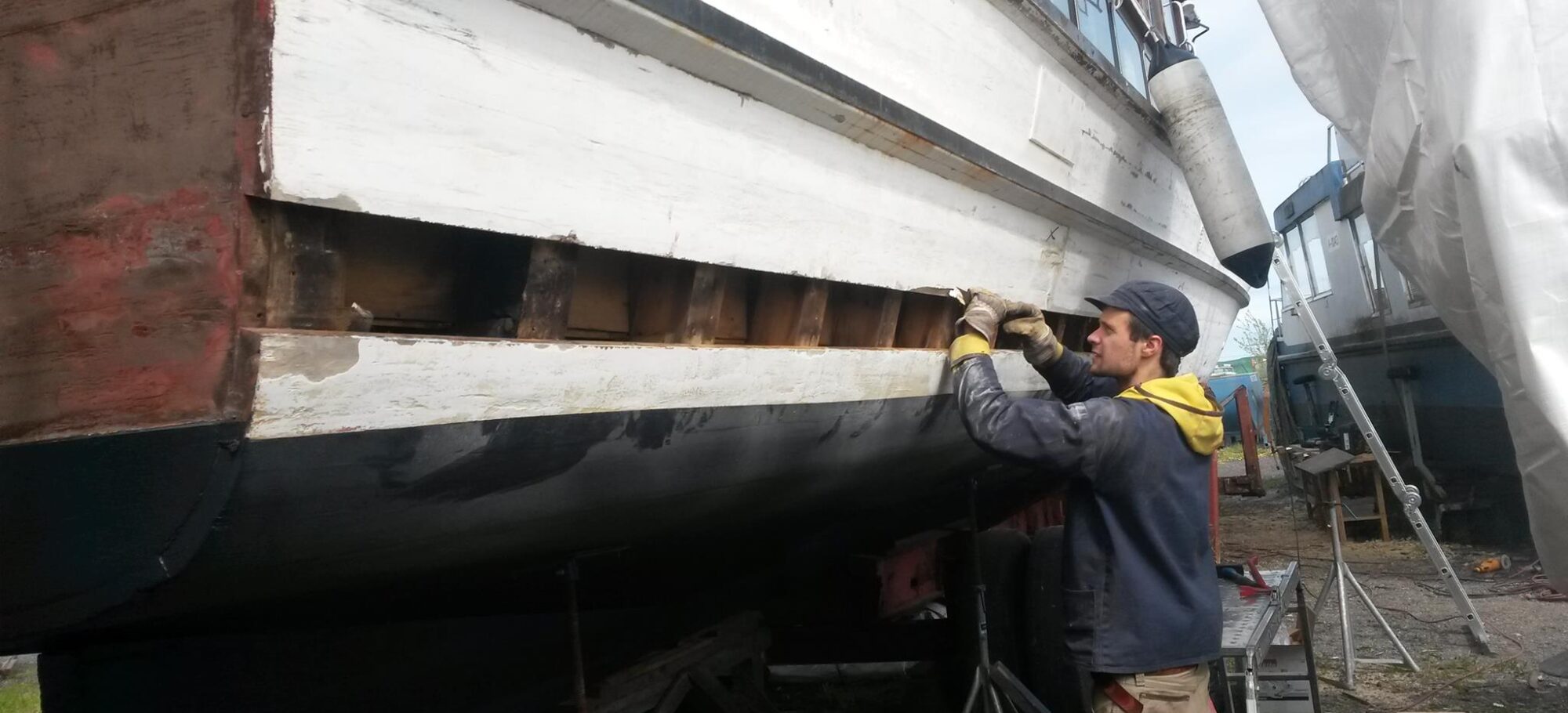
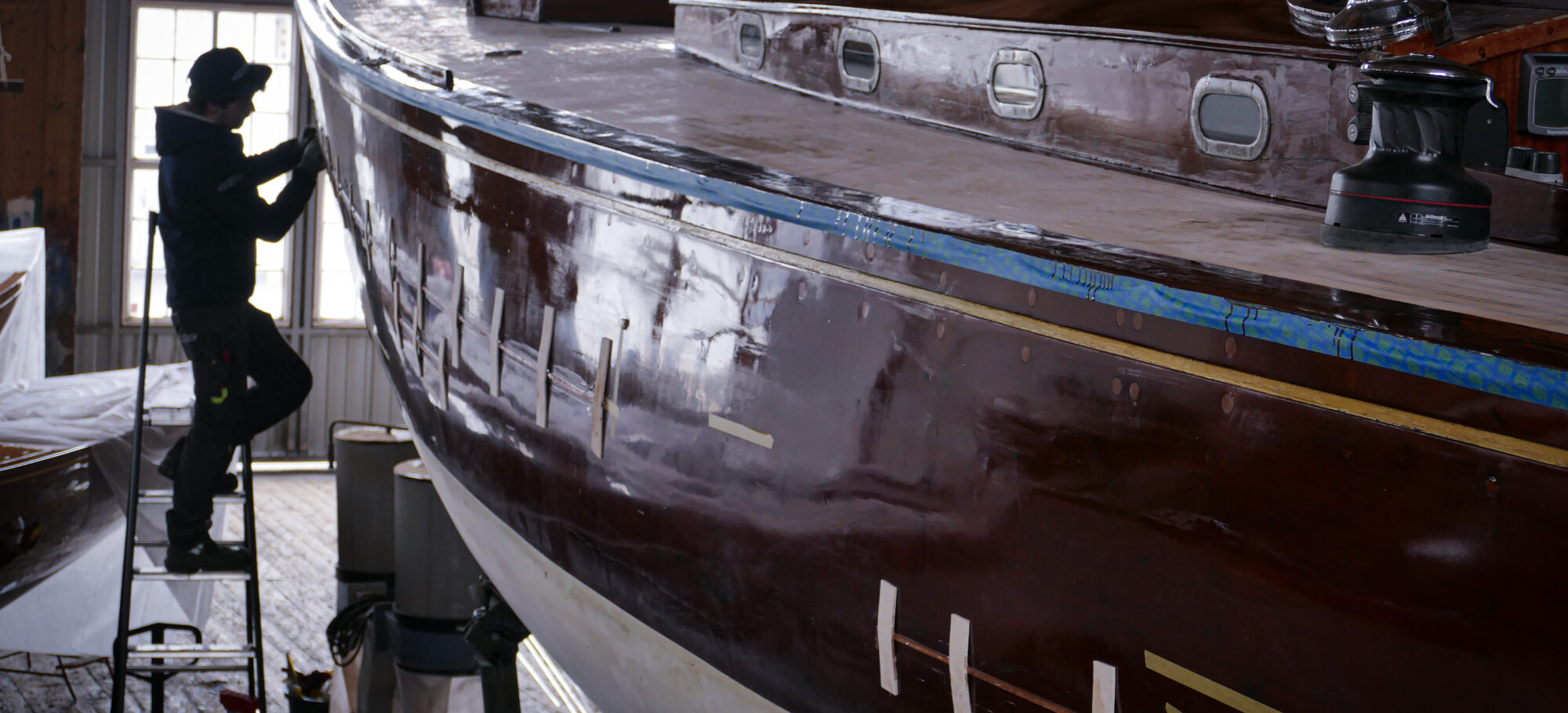
I have always been fascinated by craftsmanship & building things and my childhood spent by the Porvoo River delta, next to an old boatyard, sparked my interest in boats— and especially so wooden ones—and sailing. The decision to become a wooden boat-builder crystallized for me in my early twenties while observing local boat-builders at work in South India, and in 2011 I completed a professional qualification in boat-building, specializing in wooden boats. However, my passion for sailing and seeing the world was strong and it led me to cross the Atlantic, explore South America, work as a mate on Cape Horn & Antarctic-bound charter sailing expeditions and take an internship at a wooden boat yard on the U.S. East Coast.

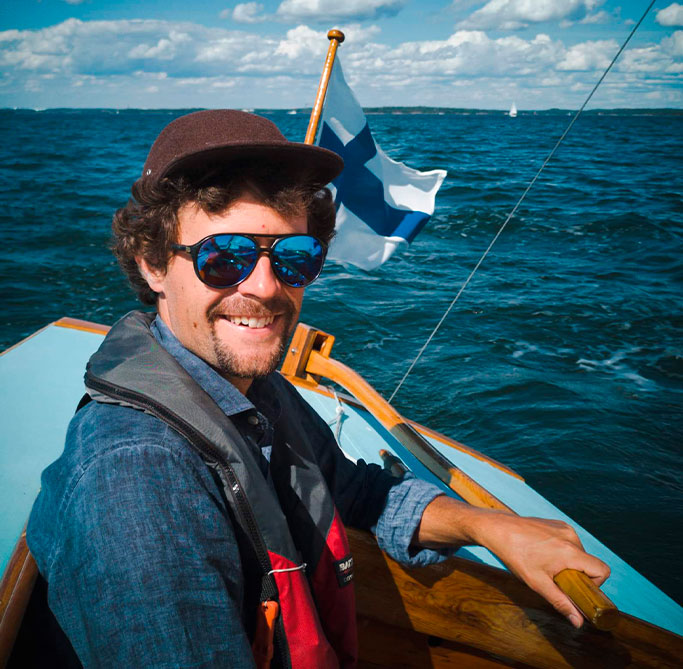
In 2015, I built my first complete boat and took part in a building project of a ‘Storbåt’. However, I was eager to deepen my expertise in the marine industry, so I moved to England for three years to study in the prestigious yacht design program at Southampton Solent University. During my time in England, I continued working with wooden boats alongside my studies and spent much of my free time sailing. In the summer of 2018, I graduated as a yacht design engineer/naval architect (Bachelor of Engineering) with excellent grades. My final project, a design for a sailing cargo vessel, was awarded as the best of the year by the Royal Institute of Naval Architects.
After returning to Finland, I have worked as both naval architect & engineer and on wooden boat restorations in Ostrobothnia and Southwestern Finland. And since early 2022, I have been serving also international clients through my own company.
Values
I take environmental issues very seriously – both as an entrepreneur and a private individual – and I am deeply concerned about the global ecological crisis we are currently facing. That’s why I strive to prioritize sustainability and ecological impacts in all my activities to the best of my ability. For example, the vehicle in my company’s use runs on domestically produced biogas in a circular economy manner and with nearly zero emissions.
In naval architecture, this means favoring electric and wind-assisted propulsion systems over traditional combustion engines, careful resistance analysis in hull design for lesser fuel consumption, seeking and presenting more ecologically sustainable materials to clients, and generally focusing on designing smaller, lighter, and simpler vessels.
The saying ‘small is beautiful’ applies also to boats and in general less material brings more happiness!
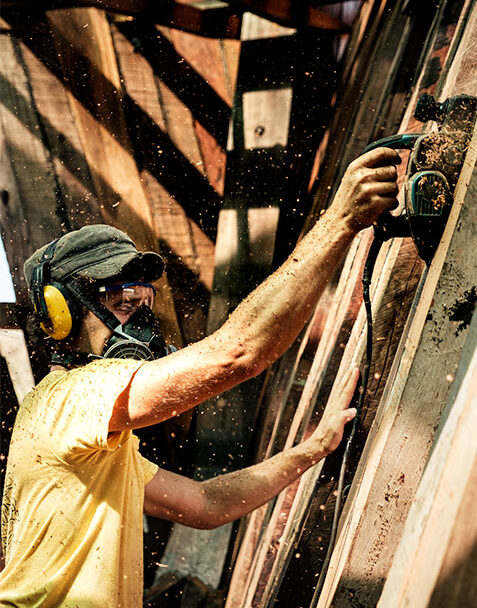
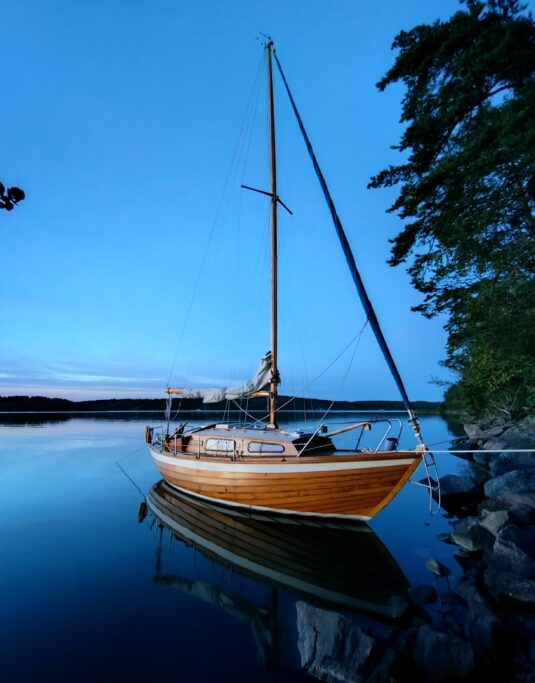
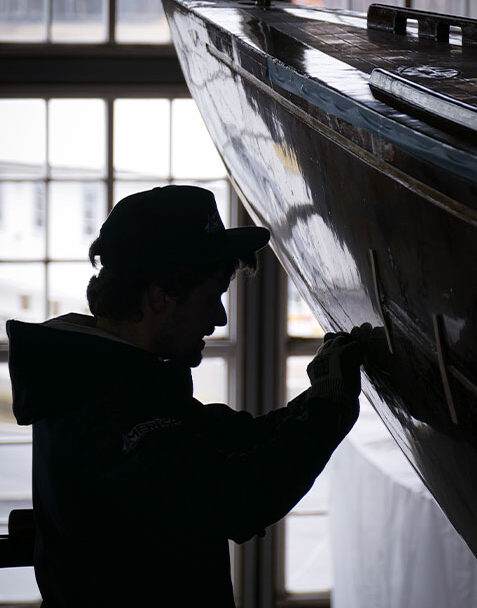
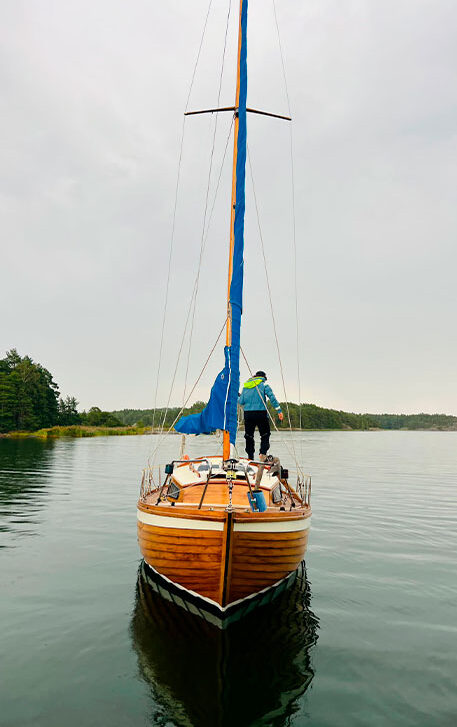
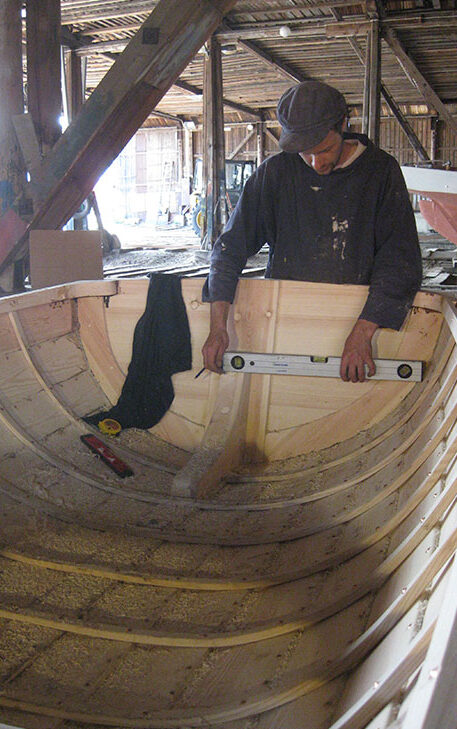
Why wooden boats?
Many people recognize the aesthetic charm and the unparalleled, unique feeling of a wooden boat. However, particularly in the context of recreational boats, lifecycle analyses have shown that wooden boats are also the most sustainable option from both social and ecological perspectives— and especially so when locally sourced wood is used for their construction[1]. Even tropical timber species, often used in the restoration of old wooden boats, have a significantly smaller lifecycle impact compared to for example fiberglass, although their origins can involve many social and environmental issues. To maintain highest standards, I always prioritize locally harvested timber, and for the imported materials, I strive to thoroughly investigate their origins, production conditions & environmental effects.
For recreational boats, wood is generally considered the best and most versatile ‘all-around’ building material[2]. A skillfully built wooden boat typically has a longer lifecycle than composite boats and it can be repaired almost indefinitely. By using modern adhesives and engineered wood materials, it is also possible to construct lightweight, durable, and low-maintenance wooden boats that won’t begin to leak over time. These boats require only regular surface treatment and thus don’t demand much more upkeep than composite or metal vessels. Furthermore, at the end of their lifecycle, wooden boats are also much easier to recycle or dispose without burdening the environment.
AS A SUMMARY: Wooden boat – because it is the best choice for both the soul and the planet!
Sailing cargo vessels.
Approximately 4–5% of mankind’s annual emissions are directly caused by commercial shipping[3]. Additionally, the sulfur & nitrogen oxides particulate matter emissions from the heavy fuel oil burned by ships are linked to over 60,000 premature deaths worldwide due to deteriorating air quality in port cities and coastal areas[4]. Transporting cargo by wind power, using sailing ships, might initially sound like nostalgia for bygone times. However, given these alarming figures and the ever accelerating climate change, interest in sail-assisted, low-emission cargo ships has steadily grown throughout the 21st century. In addition to increasingly strict emission regulations, major shipping companies are motivated to seek alternative propulsion systems because of the potentially significant financial savings from the ships’ reduced fossil fuel consumption.

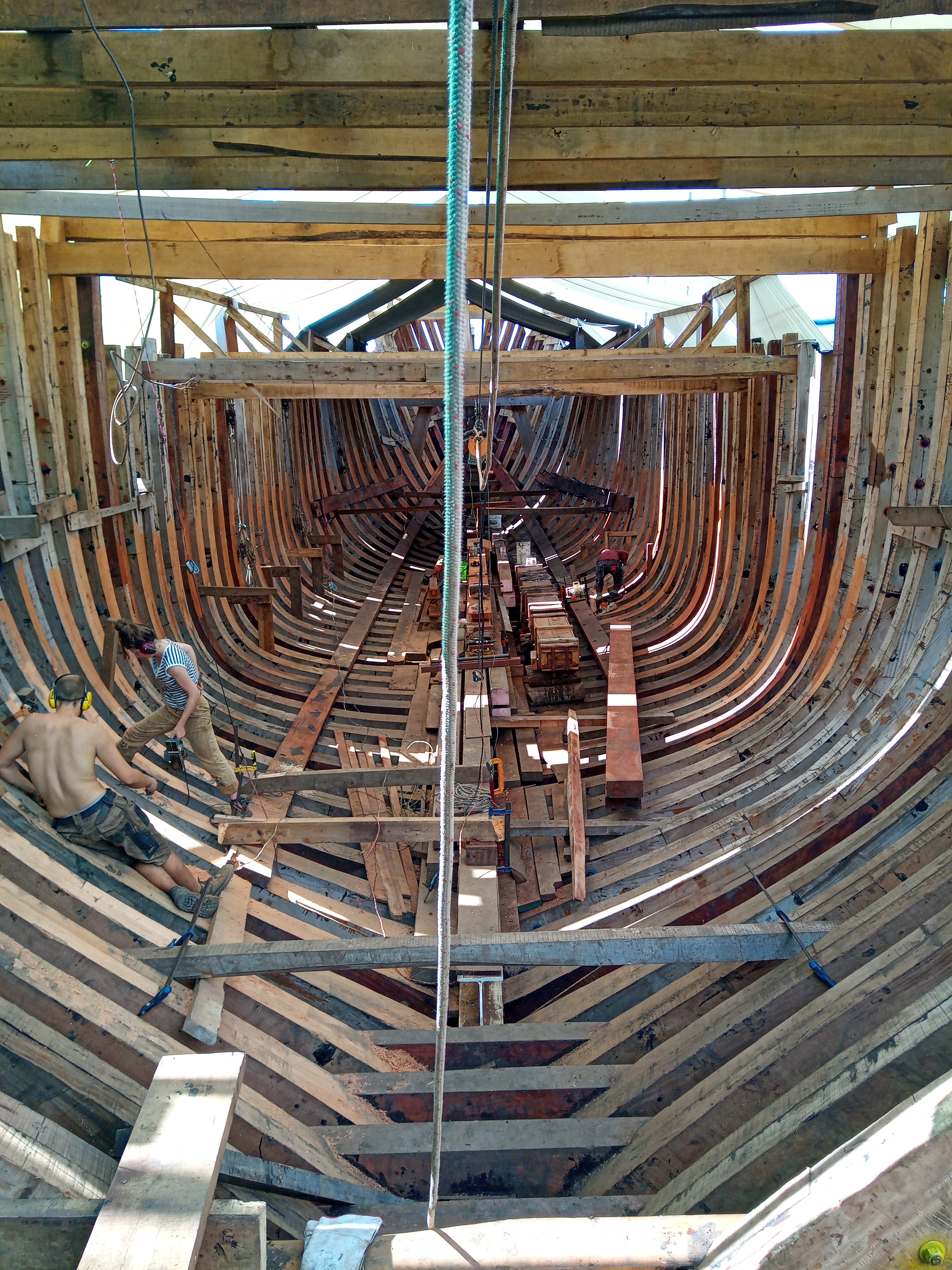
Modern computer-assisted sail systems, combined with recent advances in hydrogen and fuel cell technology, represent one of the most promising future energy sources for commercial shipping—and by far are the least polluting one[5][6]. Wind is nearly always readily available and trading under sails has a long history with several millennia of knowledge about sailing vessels accumulated in humanity’s history. When this is integrated with very precise, modern weather data, artificial intelligence and advanced materials, there indeed are real, achievable possibilities for lowering commercial shipping’s emissions and transforming it to much cleaner industry by using only nowadays technology.
These possibilities greatly inspire me, and I have already participated in few shipbuilding projects around the world that mostly utilize slightly more traditional sailing ship technologies. So, if this sparked your interest, don’t hesitate to get in touch and let’s start envisioning and developing zero-emission cargo ships of the future together!

Ville Lindén – entrepreneur & founder
REFERENCES
[1] Pommier, R. et al., 2016. Comparative environmental assesment of materials in wooden boat ecodesing, s.l.: The International Journal of Life Cycle Assesment.
[2] Meyric-Hughes, S., 2018. Stripped for action. Classic Boat, 1st January, pp. 90-91.
[3] Vidal, John / The Guardian, 2008. The Guardian. [Online] Available at: https://www.theguardian.com/environment/2008/feb/13/climatechange.pollution
[4] Corbett, J. J. e. a., 2007. Mortality from Ship Emissions: A Global Assesment. Evironmental Science & Technology, Issue 41
[5] Comer, B. et al., 2022. Decarbonizing bulk carriers with hydrogen fuel cells and wind-assisted propulsion: A modeled case study analysis, s.l.: The International Council on Clean Transportation [Online] Available at: https://theicct.org/wp-content/uploads/2022/01/Hydrogen-and-propulsion-ships-jan22.pdf
[6] Neuman, Scott / NPR, 2023. NPR. [Online] Available at: https://www.npr.org/2023/10/05/1200788439/wind-power-cargo-ships-carbon-emissions